



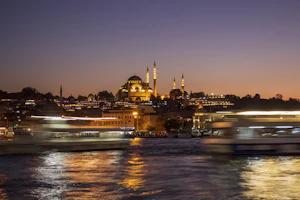

For a longer stay in Istanbul, compare Kadıköy and Moda for cafés and walkable daily life, Şişli and Bomonti for central European-side access, Beşiktaş and Etiler around your work and school routes, and Fenerbahçe for seafront living. Your best fit depends on your commute, budget, housing needs and preferred pace of life.
Moving to a new city can feel exciting, but it’s a big step. For expats in Istanbul, finding the right neighbourhood makes all the difference when settling in for the long term. You’re looking for comfort, access to everyday services, and a sense of belonging. That often starts with choosing an area that blends local charm with easy living. Some places allow for quiet evenings or morning walks, while others offer quicker routes to work and the airport. With so many options across both sides of Istanbul, it helps to start with what matters most to you.
This guide shares insight into the neighbourhoods that many expats call home, not just for a few months, but for the kind of stay where everyday routines really take shape. Each of these places offers its own mix of transport links, shops, shared language, and pace. Whether you lean toward cafés and quiet corners or prefer to be near parks and schools, Istanbul has a spot that fits.
| Area | Side | Consider it for | Check before renting |
|---|---|---|---|
| Kadıköy, including Moda | Asian | Cafés, shopping and an active neighbourhood atmosphere | Street noise and your route to work |
| Fenerbahçe, within Kadıköy | Asian | Seafront walks and a residential setting | Distance from transport and everyday services |
| Şişli, including Bomonti | European | Central urban living and access to business areas | Traffic noise, building amenities and station access |
| Beşiktaş centre | European | A lively setting near shops and waterfront connections | Evening noise and the daily commute |
| Etiler, within Beşiktaş | European | A residential base organised around work and school journeys | Rental budget and the actual school or work route |
Where to Start: Choosing the Right Side of the City
Before naming areas and streets, it helps to think about the bigger picture. Istanbul is split by the Bosphorus Strait, dividing the city into two major parts: European and Asian. Each side has its own character and rhythm.
- The European side feels more business-focused, with faster access to central offices and more shopping centres. The transport networks here are strong, including the Metro, trams, and main highways.
- The Asian side moves a little slower. It is full of leafy streets and more residential vibes, making it a strong pick for families or people who work remotely.
- If being close to international schools, private hospitals, or consulates matters to you, the European side may feel easier for day-to-day tasks.
Still, this choice comes down to how you want to live. Some prefer the quicker pace and city feel of European neighbourhoods, while others want outdoor spaces and walks to the sea. Your work, commute, and social circles may place weight on one side over another.
Once you have shortlisted an area, review the accommodation documents required for your residence application and ensure your address details are accurate. Our residence permit guide explains the available routes and application requirements.
Kadıköy: Culture, Cafés, and Comfort
Kadıköy sits on the Asian side and has a strong following among younger expats, creatives, and people working in digital fields. You will find a mix of apartment buildings, ranging from older walk-ups to newer structures with lifts and parking. That variety means there are more choices when it comes to rent or long-term plans.
The area is well known for its weekly markets and lively shopping streets around Bahariye and Moda. Ferries here connect easily to the European side, making it simple to reach places like Karaköy or Eminönü for work or weekend plans. Despite how busy some streets can get, the overall vibe is still calmer and more welcoming.
It is also a good area for people who enjoy working in cafés or co-working spaces. English availability varies by business and service, so basic Turkish remains useful for everyday errands. Kadıköy feels like a place you can stroll through in flip-flops, settle into your routine, and not worry too much about keeping a fast pace.
Şişli and Bomonti: Convenient Urban Living
If you're looking for somewhere close to everything, Şişli and its smaller area, Bomonti, might tick most boxes. Located on the European side, these areas give fast access to work zones, healthcare centres, and shops.
Bomonti has seen newer apartments go up in recent years. That means lifts, doormen, underground parking, and other features that appeal to long-term residents. Şişli itself covers more ground and includes both low-key pockets and busier roads closer to main transport lines.
- Metro stations nearby cut time in traffic on weekdays.
- There are lots of flats within walking distance to cafés, banks, and corner shops.
- Large indoor shopping spots make it easier to find what you need without long drives.
These areas might suit people who work in offices or those who like things within reach. There are parks nearby too, where you see dog walkers or families on the weekend. The overall feel is urban but not rushed. It is a place where you can settle in, week by week, without feeling far from what you need.
Beşiktaş and Etiler: Green, Connected, and Great for Families
Many expats in Istanbul look for a place where family life fits smoothly into city life. Beşiktaş and Etiler are neighbourhoods that keep you connected but offer breathing room too. You are still near work and schools, but the surroundings offer trees, parks, and places to slow down.
- Yıldız Park offers walking paths and shaded areas, good for both playtime and peace.
- If school access matters, check the school’s teaching language, admissions requirements and journey from the property.
- Weekend life here often includes cafés by the Bosphorus or boat trips from nearby docks.
Etiler has both modern flats and houses with larger rooms and more natural light. It is pricier than some areas, but that often reflects the space and comfort. People living here tend to stay longer, knowing they are close to both community life and city roads. Beşiktaş has a livelier town centre with work spots, food shops, and bakeries lining the streets.
Moda and Fenerbahçe: Seafront Living on the Asian Side
Moda and Fenerbahçe are two spots on the Asian side that feel more quiet and calm. They do not lack services, but the pace leans more toward walks on the seafront and trips to the bakery than busy work commutes.
Fenerbahçe has beach paths and open parks where people ride bikes or sit at cafés looking over the sea. Moda gets more attention, with its small art shops and relaxing coffee spots, but both feel lived-in without being touristy.
- Walk your usual routes before renting to check slopes, pavements and accessibility.
- If you have pets, confirm the tenancy terms and building rules before committing.
- Compare the property’s actual access to bus stops, stations and ferry piers; connections vary by street.
These neighbourhoods suit those who plan to work from home or have weekly errands close by. Day to day, life feels more predictable. Locals say hello, neighbours nod at each other, and you can get to know the faces at your market stand.
What Long-Term Expats Value Most in a Neighbourhood
Living here long term is not just about ticking boxes on a map. It is about trusting your area to hold your daily life. That means having places you walk to, rather than drive across town for. The corner shop where you exchange a smile. The bus route you can rely on. The school your child looks forward to attending.
Every expat has different needs, but over time, some things stand out:
- The right fit connects to your lifestyle without feeling like a stretch. That could be peace, people, or a quick commute.
- Making friends nearby helps. So does sharing a language or activity, like a park run or coffee meetup.
- Places you live in for a long time tend to be ones that require less stress, where you know how things work and where to get help if you need it.
A good neighbourhood supports your routines so they feel easier, not more work. That can mean a simple morning commute, a safe space to walk the dog, or just knowing where to grab bread without thinking too hard. When the small things run smoothly, living in Istanbul feels less like a challenge and more like home.
Before committing to a home, test the commute at your normal travel time, visit the street during the day and evening, confirm school availability where relevant, and inspect the property, building amenities and tenancy terms.
Preparing a residence permit application? Explore health insurance options and request a quote through Ikamet.
Bringing your own car to Türkiye? Explore foreign-plate insurance options.
Frequently asked questions
Is the European or Asian side better for expats?
Choose the side that keeps your regular work, school and family journeys manageable. Test the actual route before choosing a home.
Does renting a home guarantee a residence permit?
No. A rental agreement alone does not establish eligibility. You must meet the requirements of the residence category you apply for and provide the required documents.
What if I change address while holding a residence permit?
Notify the relevant authorities within 20 working days. Moving to another province also requires a residence application in that province. See official Migration Management guidance.
Choosing where to live is just one part of settling down, and for expats in Istanbul that often goes hand in hand with sorting out the right paperwork for a longer stay. At Ikamet, we understand that living in a new country means more than just picking the right neighbourhood, it is also about making sure your residency is in order. Our guide to residence permits can help you understand the next steps for extending your stay. Reach out to us so we can support you in making your move a little easier.



Member discussion